Tell us about the job
Takes about a minute. No obligation.
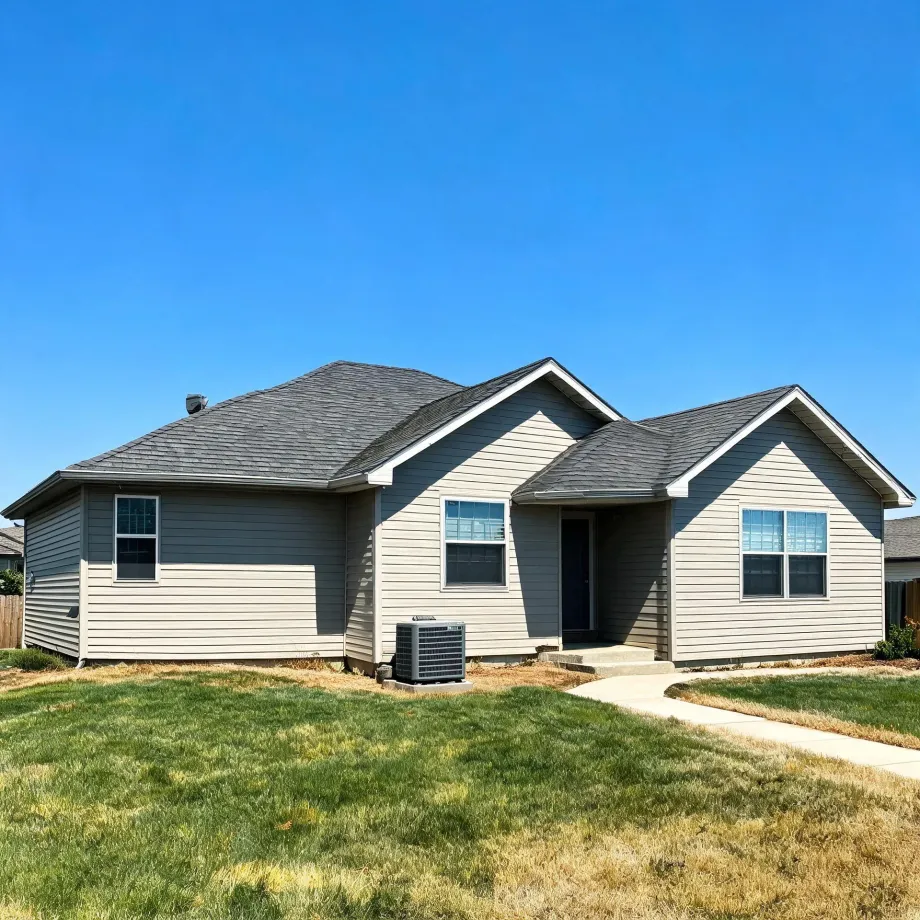
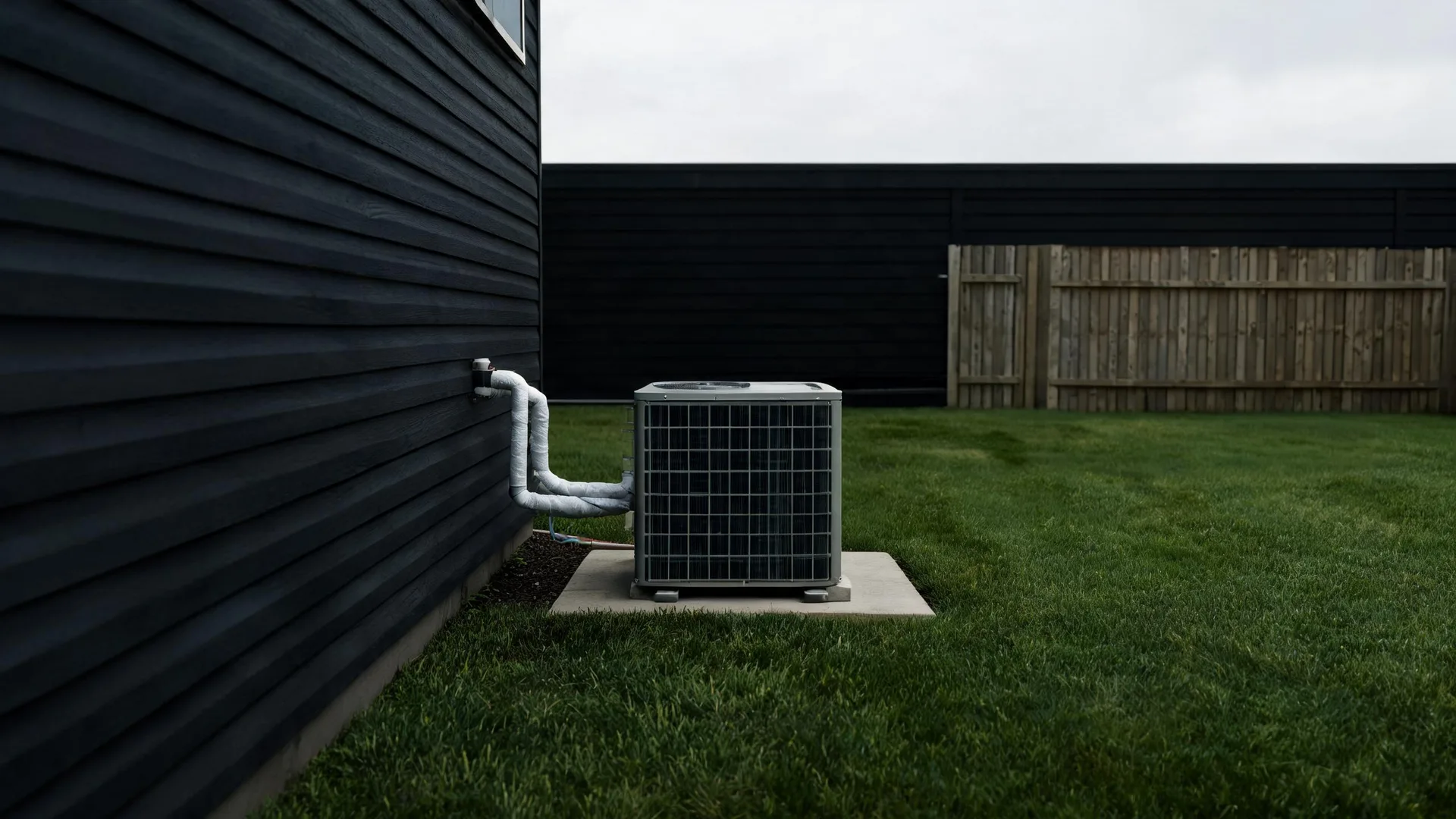
The compressor and condenser fan in a central AC unit take the hardest hits during active cooling season, starting and stopping through the heat of the day, day after day. Homes in Hidalgo County, NM run cooling about four months a year, from June through September. A contractor called out for a repair in this area looks at the contactor and the condenser fan motor early, because those are the components that absorb the starting cycles. The refrigerant circuit also warrants a close look, since a slow leak that was masked by a working system will show up as a capacity problem once the unit is asked to perform hard.
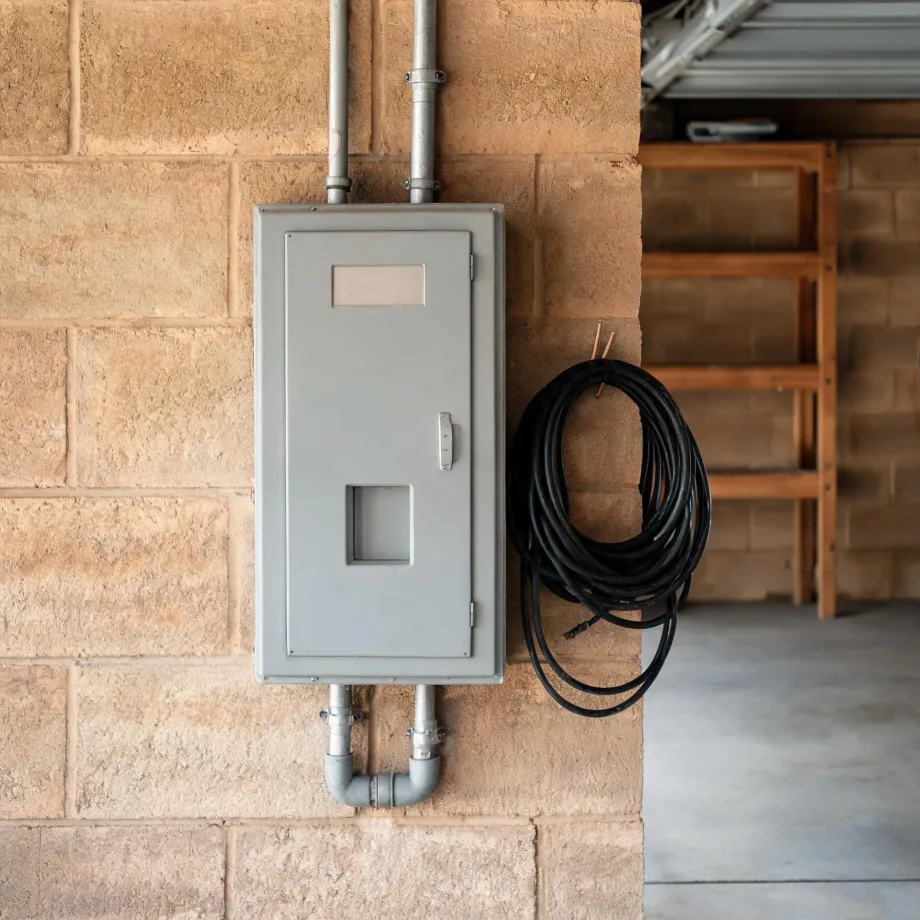
Ducting in a house this old was not designed around the system it is cooling today. What a contractor finds when they open the unit and trace the supply lines often determines whether a repair is straightforward or whether the ductwork is adding load, losing air, or hiding the reason the system is struggling in the first place. Half the homes in Hidalgo County, New Mexico were built in 1976 or earlier (2020-2024 ACS 5-year). That age of construction means the ductwork and the equipment have a mismatched history, and a repair diagnosis that does not account for both can price the wrong problem.
The Parts of a Central AC a Contractor Checks During Repair
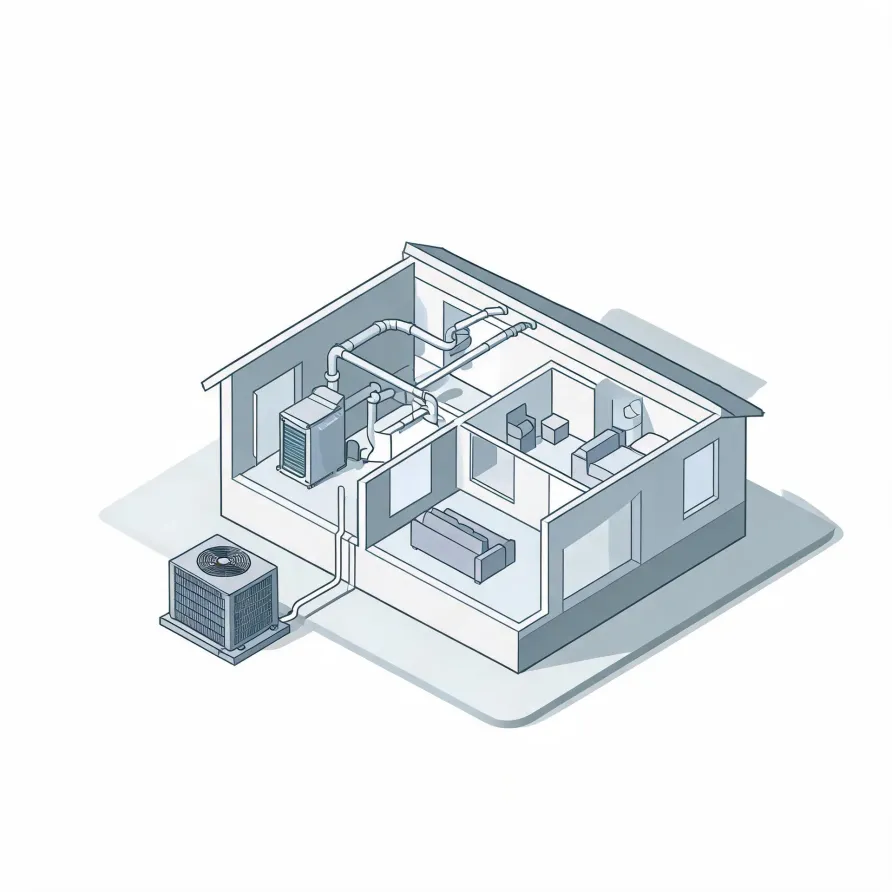
The outdoor condenser unit sits on a pad outside the house and holds the compressor and condenser coil, the two components a contractor goes to first when the system runs but produces no cold air or trips the breaker. Inside, the air handler or furnace cabinet contains the evaporator coil and the blower, and a fault in either shows up as weak airflow, ice buildup, or warm air at the registers.
The refrigerant lines run between the indoor and outdoor units, and a leak anywhere along them affects the whole system's ability to do its job. The condensate drain and the capacitors that start and run the motors round out the pieces a contractor works through when isolating a fault.
The drawing shows the general layout of a central AC system, and a licensed contractor determines which components apply and what work is needed in your specific home.
Get matched in Hidalgo CountyHidalgo County by the Numbers
59 severe weather events were recorded in Hidalgo County, New Mexico between 2015 and 2024.
NOAA National Centers for Environmental Information, Storm Events Database, bulk CSV export, events 2015-01-01 through 2024-12-31.Half the homes in Hidalgo County, New Mexico were built in 1976 or earlier (2020-2024 ACS 5-year).
U.S. Census Bureau, 2020-2024 American Community Survey 5-Year EstimatesHidalgo County, New Mexico holds 2,232 housing units (2020-2024 ACS 5-year).
U.S. Census Bureau, 2020-2024 American Community Survey 5-Year EstimatesOwners occupy 80.8% of the occupied homes in Hidalgo County, New Mexico (2020-2024 ACS 5-year).
U.S. Census Bureau, 2020-2024 American Community Survey 5-Year EstimatesRules & Standards Behind Central AC Repair in Hidalgo County, New Mexico10 sourced rules and standards
What HVAC Repair Looks Like in Hidalgo County
Split-system central air conditioners rated below 45,000 Btu/h manufactured on or after January 1, 2023 must meet a federal minimum of 13.4 SEER2.
Split-system central air conditioners rated at or above 45,000 Btu/h manufactured on or after January 1, 2023 must meet a federal minimum of 13.4 SEER2.
Split-system central air conditioners manufactured between January 1, 2015 and December 31, 2022 had to meet 13 SEER, the metric that preceded SEER2.
Single-package central air conditioners manufactured on or after January 1, 2023 must meet a federal minimum of 13.4 SEER2.
Space-constrained central air conditioners manufactured on or after January 1, 2023 must meet a federal minimum of 11.7 SEER2.
Federal efficiency standards for split-system central air conditioners and heat pumps are set on each certified combination of outdoor unit and indoor coil rather than on the outdoor unit alone.
Residential and light commercial air conditioning and heat pump systems assembled in the field, including mini-splits and unitary systems, may not be installed on or after January 1, 2025 using a refrigerant with a global warming potential above 700.
A field-assembled system whose specified components were all manufactured or imported before January 1, 2025 carries no installation compliance date under the refrigerant restrictions and may still be installed.
Licensing and Legal Requirements in Hidalgo County, New Mexico
New Mexico’s contractor licence does not reach casual, minor or inconsequential work taken one project at a time and totalling no more than seven thousand two hundred dollars ($7,200) a year — but the exemption has to be declared to the division, it is not automatic.
New Mexico requires a contractor licence classified for the work being done: no person may act as a contractor without one, and mechanical work falls to the division’s mechanical bureau.
Severe Weather Events in Hidalgo County
Extreme weather puts hours on HVAC equipment fast, and those hours show up later as wear, failures, and repair calls. How hard the weather pushes here is part of what shapes the workload for any central AC system in Hidalgo County.
59 severe weather events, 2015–2024. Source: NOAA National Centers for Environmental Information, Storm Events Database.