Tell us about the job
Takes about a minute. No obligation.
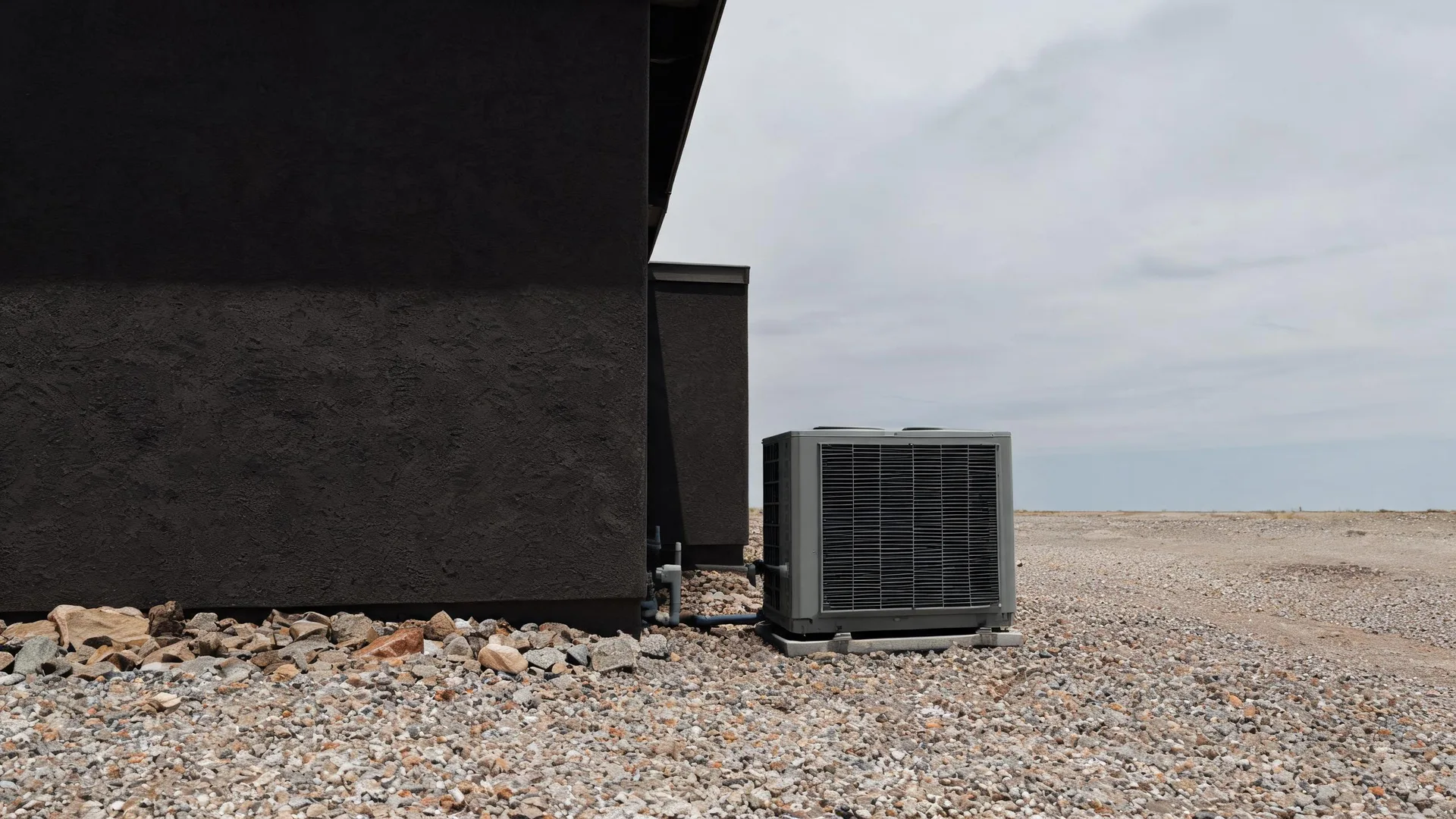
A contractor quoting a central AC install in Catron County has to start with an honest question: what is this compressor actually being asked to do. Homes in Catron County, NM have essentially no cooling season — no month of the year is warm enough to call for it. A system specified for a genuine cooling load gets sized, charged, and commissioned to match that load. Here, there is no load to match. What that means in practice is that the refrigerant charge, the coil selection, and the airflow targets all get set for a machine that may sit idle indefinitely, and a contractor who applies a standard sizing routine will produce a quote that does not fit the house.
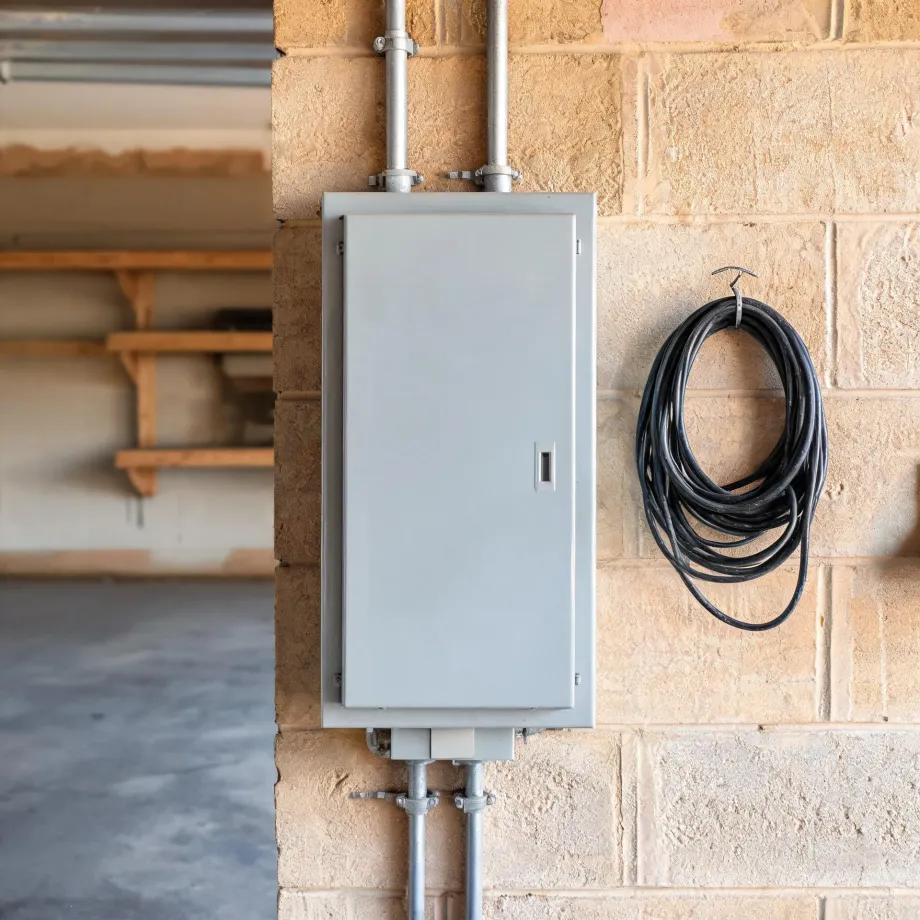
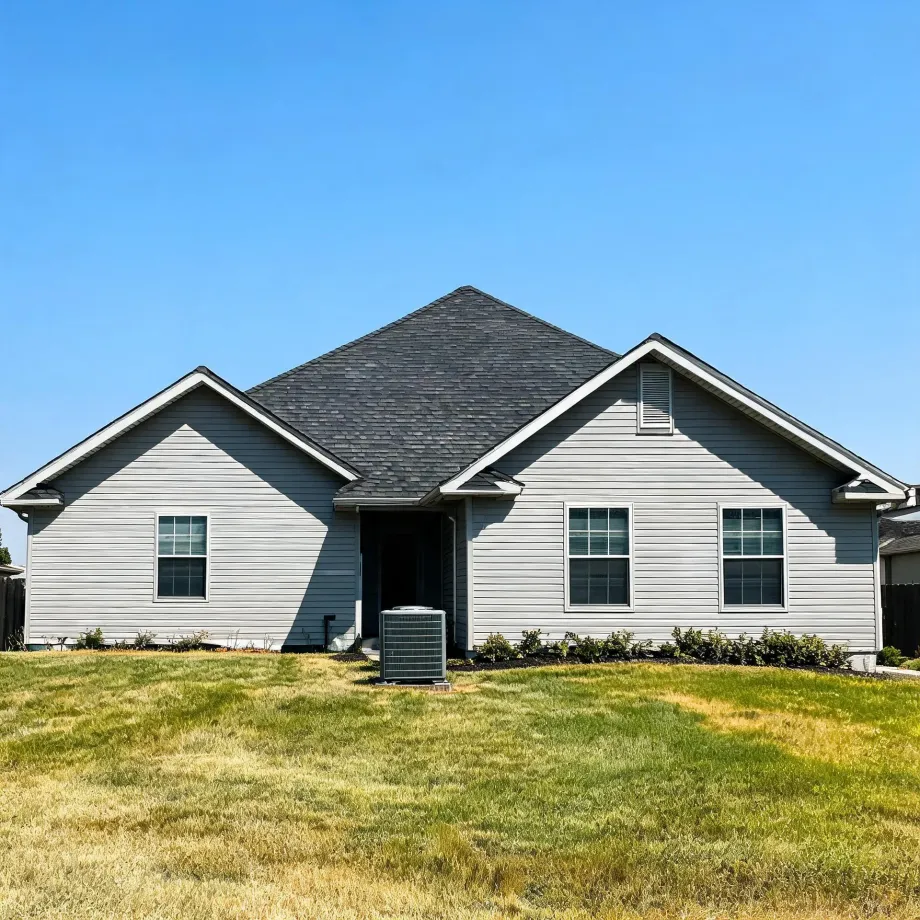
Ductwork laid in for an older system carries assumptions about airflow, routing, and load that a modern central AC unit does not share. Half the homes in Catron County, New Mexico were built in 1986 or earlier (2020-2024 ACS 5-year). That gap is where the installation work actually lives: a contractor has to assess what the existing ducts can move, where the runs go, and whether the electrical service handles the draw of a new unit before the equipment itself becomes relevant. A mismatch in any of those three sends the job in a different direction than the line items on a first quote would suggest.
What a Central AC System Is Made Of
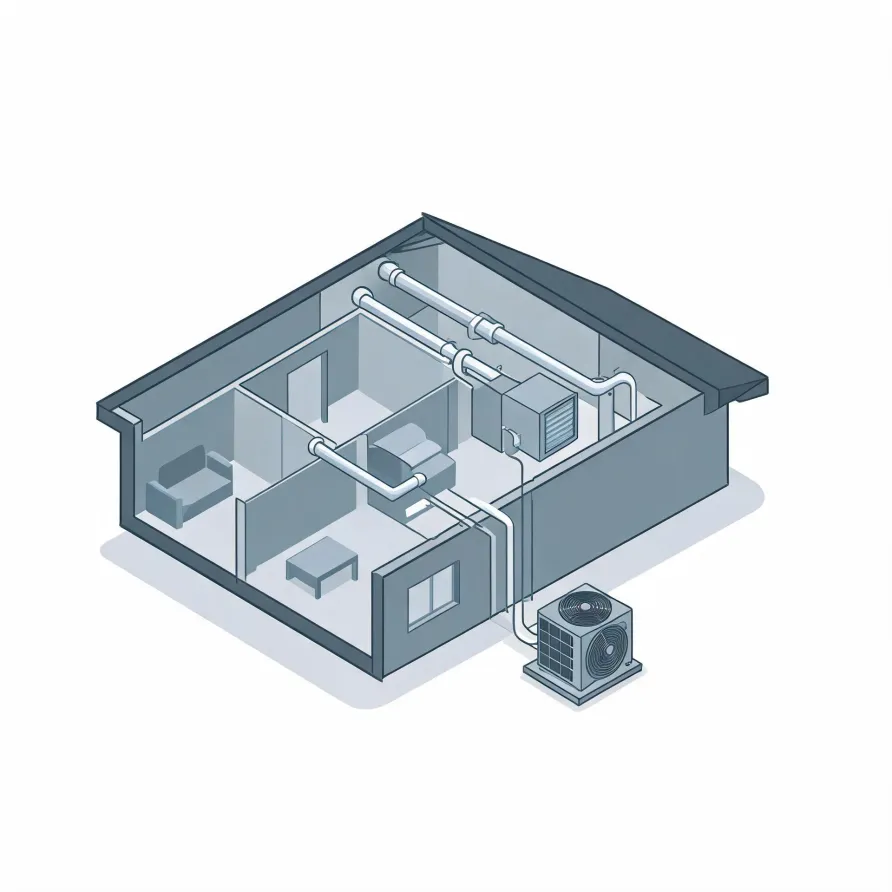
The outdoor condenser unit sits outside the house, usually on a concrete pad along an exterior wall, and it holds the compressor and condenser coil. Inside, the air handler or furnace coil sits in a utility space, basement, or closet and works with the outdoor unit to pull heat from the air moving through your home.
The refrigerant line set runs between those two units through a small penetration in the wall, carrying refrigerant back and forth. A thermostat mounts on an interior wall and serves as the control point for the whole system, telling the equipment when to run and when to stop.
The drawing shows a typical layout, and a licensed contractor determines what fits the configuration of your specific house.
Get matched in Catron CountyCatron County by the numbers
111 severe weather events were recorded in Catron County, New Mexico between 2015 and 2024.
NOAA National Centers for Environmental Information, Storm Events Database, bulk CSV export, events 2015-01-01 through 2024-12-31.Half the homes in Catron County, New Mexico were built in 1986 or earlier (2020-2024 ACS 5-year).
U.S. Census Bureau, 2020-2024 American Community Survey 5-Year EstimatesCatron County, New Mexico holds 3,409 housing units (2020-2024 ACS 5-year).
U.S. Census Bureau, 2020-2024 American Community Survey 5-Year EstimatesOwners occupy 93.8% of the occupied homes in Catron County, New Mexico (2020-2024 ACS 5-year).
U.S. Census Bureau, 2020-2024 American Community Survey 5-Year EstimatesRules & Standards Behind Central AC Installation in Catron County, New Mexico10 sourced rules and standards
What the Installation Actually Looks Like
Split-system central air conditioners rated below 45,000 Btu/h manufactured on or after January 1, 2023 must meet a federal minimum of 13.4 SEER2.
Split-system central air conditioners rated at or above 45,000 Btu/h manufactured on or after January 1, 2023 must meet a federal minimum of 13.4 SEER2.
Split-system central air conditioners manufactured between January 1, 2015 and December 31, 2022 had to meet 13 SEER, the metric that preceded SEER2.
Single-package central air conditioners manufactured on or after January 1, 2023 must meet a federal minimum of 13.4 SEER2.
Space-constrained central air conditioners manufactured on or after January 1, 2023 must meet a federal minimum of 11.7 SEER2.
Federal efficiency standards for split-system central air conditioners and heat pumps are set on each certified combination of outdoor unit and indoor coil rather than on the outdoor unit alone.
Residential and light commercial air conditioning and heat pump systems assembled in the field, including mini-splits and unitary systems, may not be installed on or after January 1, 2025 using a refrigerant with a global warming potential above 700.
A field-assembled system whose specified components were all manufactured or imported before January 1, 2025 carries no installation compliance date under the refrigerant restrictions and may still be installed.
Licensing and Legal Requirements in Catron County, New Mexico
New Mexico’s contractor licence does not reach casual, minor or inconsequential work taken one project at a time and totalling no more than seven thousand two hundred dollars ($7,200) a year — but the exemption has to be declared to the division, it is not automatic.
New Mexico requires a contractor licence classified for the work being done: no person may act as a contractor without one, and mechanical work falls to the division’s mechanical bureau.
Severe Weather Events in Catron County
Weather puts a measurable load on cooling equipment, and that load varies by location. How hard a system has to work in Catron County is a local fact, and it shapes what makes sense to install here.
111 severe weather events, 2015–2024. Source: NOAA National Centers for Environmental Information, Storm Events Database.